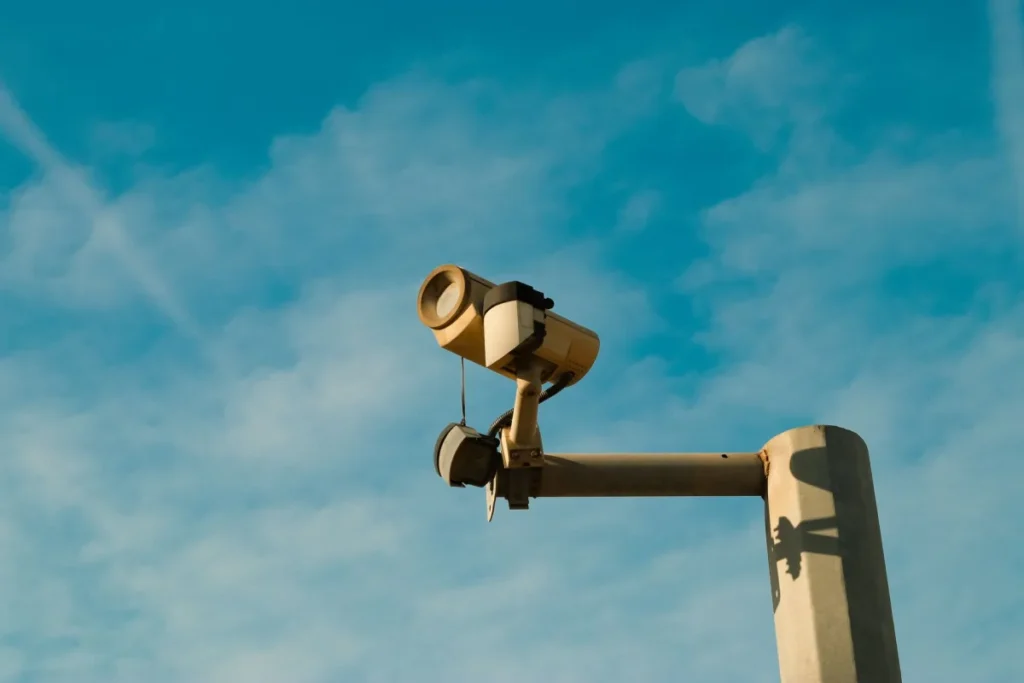
Who Can See Your Files in the Cloud?
Cloud privacy depends on three things: who holds the encryption keys, what the provider’s policy allows, and which laws apply where the company and servers are based. On most mainstream services, the provider holds the keys. With end-to-end encryption, only your devices do. Sharing links add their own risk.
| Who might see your files | How | How to limit it |
|---|---|---|
| The provider’s systems | Provider-held keys allow scanning and processing | Use end-to-end encryption or encrypt files yourself |
| Government or courts | Legal requests under local or foreign law | Choose jurisdiction carefully; use end-to-end encryption |
| People with your link | “Anyone with the link” sharing | Use restricted or named-people sharing; set expiry |
| Apps you connected | Third-party access to your account | Review and remove app connections |
| Attackers | Stolen passwords, phishing, malware | Two-step verification, unique passwords |
| Other synced devices | Anyone using a synced computer | Lock devices; sign out on shared PCs |
Encryption Models Explained
Encryption in transit and at rest. Your files are encrypted while travelling and on the provider’s disks. The provider manages the keys. This is the default on Google Drive, OneDrive, Dropbox and iCloud with standard data protection.
End-to-end, or zero-knowledge, encryption. Files are encrypted on your device with keys the provider never sees. The provider stores data it cannot read. Examples include Proton Drive, Sync.com, Tresorit, pCloud with its Encryption add-on, and iCloud with Advanced Data Protection.
Apple’s own documentation shows the difference clearly. With standard protection, Apple holds the keys for iCloud Drive and Photos. With Advanced Data Protection, those categories become end-to-end encrypted and Apple cannot recover them if you lose access.
What Providers Can Do With Your Data
Terms of service usually allow providers to scan files for malware, spam and illegal content, and to process data to run features like search. Most mainstream providers say they do not use your file content for advertising. Read the privacy policy of any service you rely on.
Get the free sync troubleshooting checklist
One page with the settings and checks that prevent most sync and backup problems, plus alerts when a major service has an outage.
Laws and Jurisdiction
Where a company is based matters as much as where its servers are.
- United States: the CLOUD Act, passed in 2018, clarifies that US-based providers can be required to produce data they control, even when stored abroad, and supports agreements with trusted foreign partners.
- European Union: the GDPR gives people rights over their personal data and limits how companies process it.
- Switzerland and other countries: some providers highlight their home country’s privacy laws.
End-to-end encryption limits what any provider can hand over, because it cannot read the files.
Common Cloud Privacy Myths
“Encrypted means private.” Encryption with provider-held keys protects against outsiders, not the provider.
“Private sharing links are safe.” An “Anyone with the link” share can be forwarded anywhere.
“Deleting a file removes it instantly.” It sits in the recycle bin, and old versions may remain for a period.
“Zero knowledge means I cannot lose anything.” If you lose the key or password, the provider cannot help you recover files.
How to Improve Your Cloud Privacy Today
- Turn on two-step verification for every cloud account.
- Review shared links and remove ones you no longer need.
- Remove third-party apps you do not use.
- Move sensitive files to an end-to-end encrypted service or encrypt them first.
- Use separate accounts for work and personal files.
- Keep your own backup, so you can leave a provider if its policy changes.
Provider guides: OneDrive privacy settings and Google Drive privacy settings. For private alternatives, see self hosted file storage and Syncthing cloud. For the basics of how sync works, start with file sync.
Frequently Asked Questions
Is cloud storage private?
It depends on the service. Mainstream providers encrypt your files but hold the keys, so their systems can access content under their terms. End-to-end encrypted services and self-hosted tools are more private because only you hold the keys. Your sharing settings and account security matter just as much.
What is zero-knowledge encryption?
Zero-knowledge encryption means your files are encrypted on your device before upload, with keys the provider never receives. The provider stores data it cannot read. The trade-off is that if you forget your password or lose your recovery key, the provider cannot restore your files.
Can the government access my cloud files?
Governments can request data from providers through legal processes. In the United States, the CLOUD Act clarifies that US providers can be required to produce data they control, even if stored abroad. End-to-end encryption limits what any provider can hand over, because it cannot decrypt your files.
Does Google or Microsoft read my files?
Their automated systems process files to provide features like search, preview and malware scanning, and to enforce their policies. Both companies say they do not use your Drive or OneDrive file content for advertising. People at these companies do not routinely view files, but provider-held keys make access technically possible.
How can I make my cloud files more private?
Turn on two-step verification, limit sharing to named people, remove unused app connections, and keep sensitive files in an end-to-end encrypted service or encrypt them yourself before upload. iCloud users can turn on Advanced Data Protection. Keep a backup so you can switch providers if needed.
Keep your files safe and in sync
Join the newsletter for the free troubleshooting checklist and outage alerts. Facing a specific error? Tell us about it and we will point you to the right fix.
Sources